A case with unanswered questions
The Investigation
The investigation into Katrice Lee’s disappearance has been marked by missed opportunities, lost time and acknowledged failings. Her family have long questioned whether decisions made in the first hours, days and years prevented the truth from being discovered.
1981
The original investigation
From the outset, the investigation concentrated heavily on one theory: that Katrice had left the NAAFI unnoticed and fallen into the nearby River Lippe. Her family believed she had been abducted.
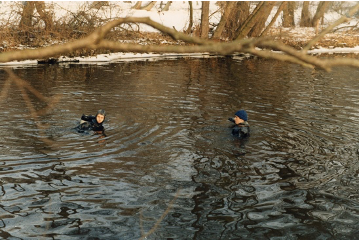
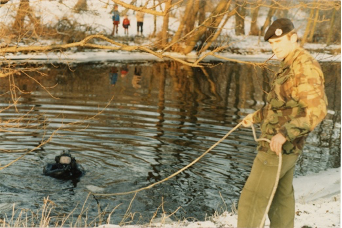
The physical search was extensive. Soldiers, military police, German police and volunteers searched the surrounding area. Divers searched the Lippe, Lippesee and drainage ditches. A helicopter was deployed and the moat surrounding Schloß Neuhaus was drained.
Despite the family’s concerns, the possibility of abduction did not receive the same attention during the crucial early stages. The NAAFI was not immediately secured and continued trading; potential witnesses were allowed to leave. Some shop staff were not interviewed until six weeks later. Border staff were not alerted for 48 hours, and no roadblock was established outside the NAAFI.
No trace of Katrice was found.
Questions about evidence
A distinctive clue overlooked
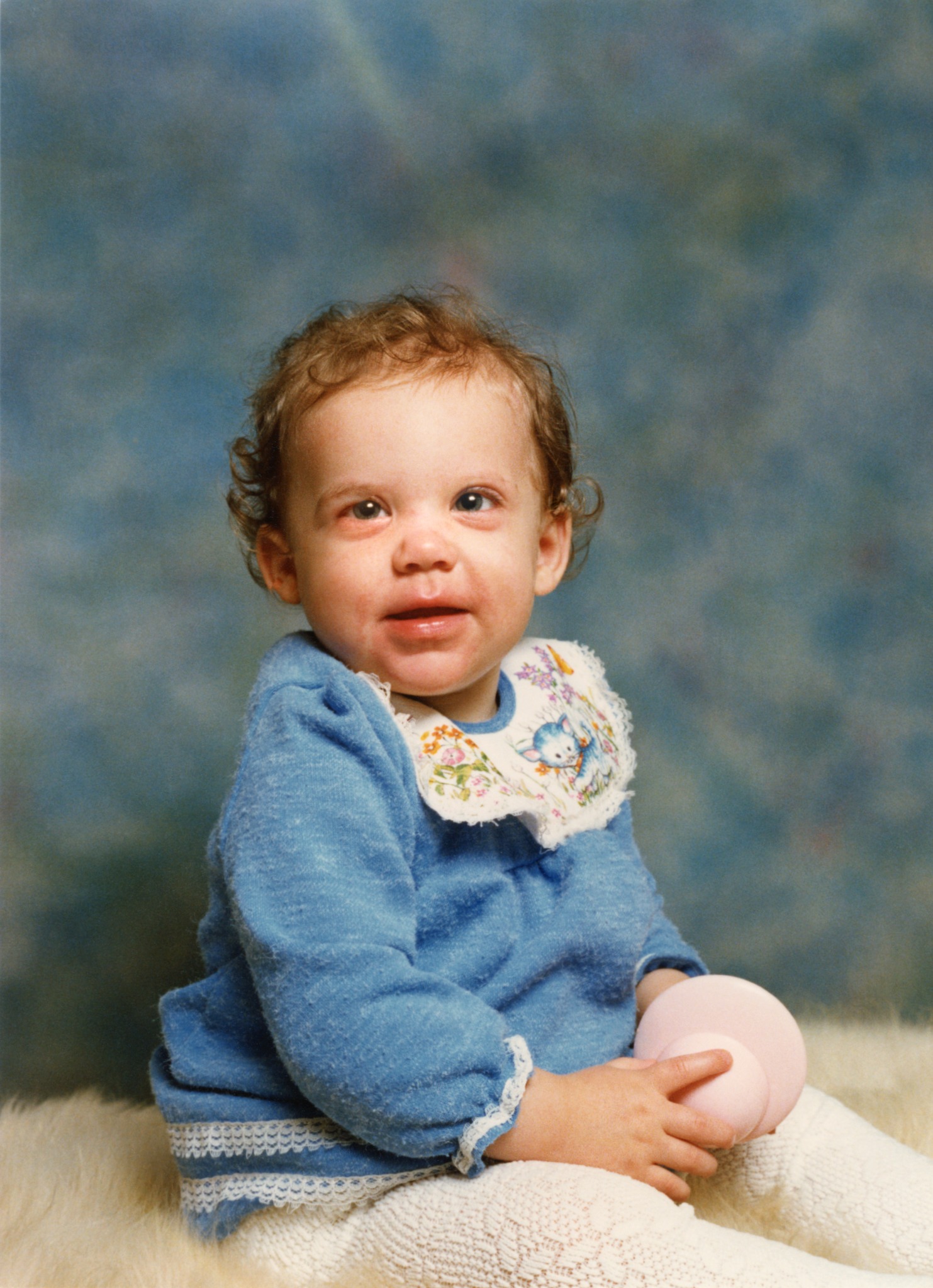
Katrice had a distinctive squint, or turn, in her left eye. Her family told investigators that the condition would require corrective treatment as she grew older. They believed it could provide an important way to identify her if she had been abducted and raised by another family.
According to evidence later given in Parliament, when the family asked about this line of inquiry six months later, the officer in charge denied knowledge of it and told them it was a “figment of the Lees’ imagination”.
In 2012, MPs criticised the original investigation. Later that year, the Provost Marshal (Army) acknowledged that previous investigations had been flawed, and the Royal Military Police apologised to the Lee family.
2000–2003
The investigation reopens — and the missing DNA
In February 2000, following a review by the National Crime Faculty, the Royal Military Police reopened inquiries. New lines of investigation were followed, and a former soldier was arrested and questioned before being released. In February 2001, investigators took blood samples from members of the Lee family, intending to use advances in DNA technology to generate new leads and place the samples on an Interpol database. The investigation was suspended again in 2003.
When the case was reopened in 2012, the family were asked to provide blood samples again. They wanted to know what had happened to the original samples and why they needed to give new ones. The family could not establish whether the earlier samples had been lost, degraded, used or checked against relevant records.
Operation Bute
A new investigation
In January 2012, the Royal Military Police began a new investigation under the name Operation Bute. Investigators revisited original evidence, traced and re-interviewed witnesses, and sought assistance from specialist organisations. Around 2,000 people were believed to have visited the NAAFI on the day Katrice disappeared. Operation Bute attempted to trace and re-interview them more than 30 years later.
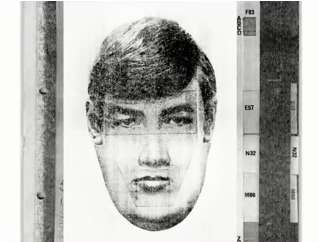
A witness had reported seeing a man carrying a young child fitting Katrice’s description towards a green saloon car. A photofit was produced shortly after she vanished, but it was not released publicly until 2017, more than 35 years later.
Age-progressed images
How Katrice might look
These are age-progressed representations released in connection with the search. They are not confirmed photographs of Katrice at these ages. Images created by Teri Blythe, forensic art specialist.





2018–2020
The 2018 search and a reactive investigation
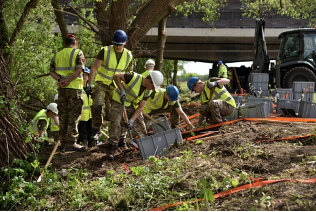
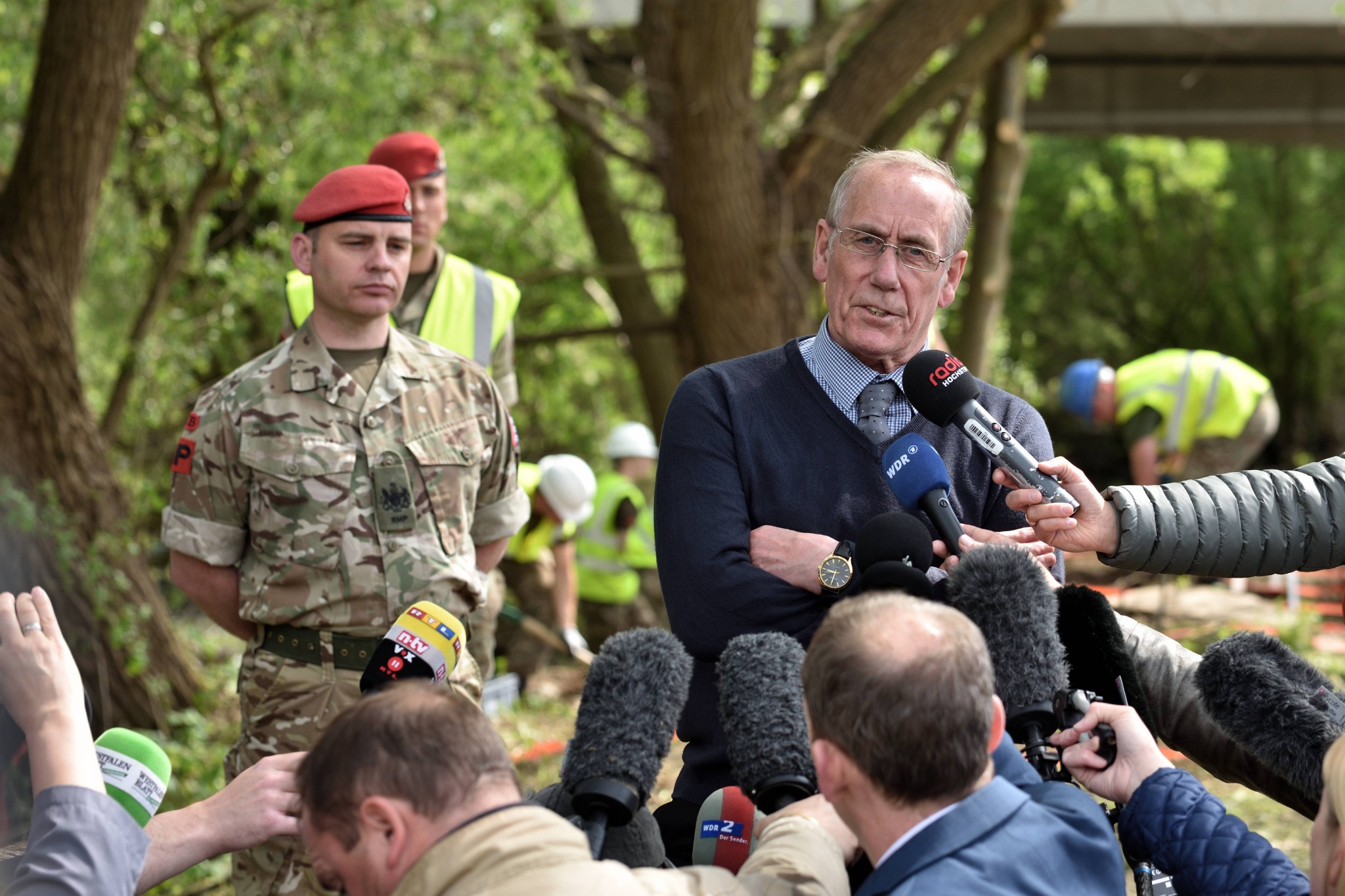
In spring 2018, investigators carried out a major forensic search of the bank of the River Alme at Paderborner Strasse, approximately two and a half kilometres from the former NAAFI. The excavation found no evidence establishing what had happened to Katrice.
The search also renewed the appeal to identify the man in the photofit and a green saloon car. Investigators also released new age-progressed images of Katrice and drew attention to the distinctive condition affecting her left eye.
The site was eventually ruled out.
By 2020, active investigation under Operation Bute had ceased. The case moved to a reactive state, meaning further investigation would depend on new information or evidence coming to light. The case was subsequently transferred to the Defence Serious Crime Command.
What remains unanswered?
Questions that remain
- Why was the NAAFI not immediately secured, allowing potential witnesses to leave without being identified or questioned?
- Why were some staff not interviewed until six weeks later, while other potentially important witnesses were not interviewed for decades?
- Why were border authorities not alerted for 48 hours, and why was no roadblock established when abduction could not be ruled out?
- Why was Katrice’s distinctive eye condition not pursued as a potential means of identifying her?
- What happened to the DNA samples provided by the Lee family in 2001?
- Why was the photofit released publicly only more than 35 years after it was produced?
For Katrice’s family, one question remains above all others.